
What to Do After a Tesla Accident in Orange County
Live phone support 24/7Shop: Mon–Fri 9–6 · Sat 9–2
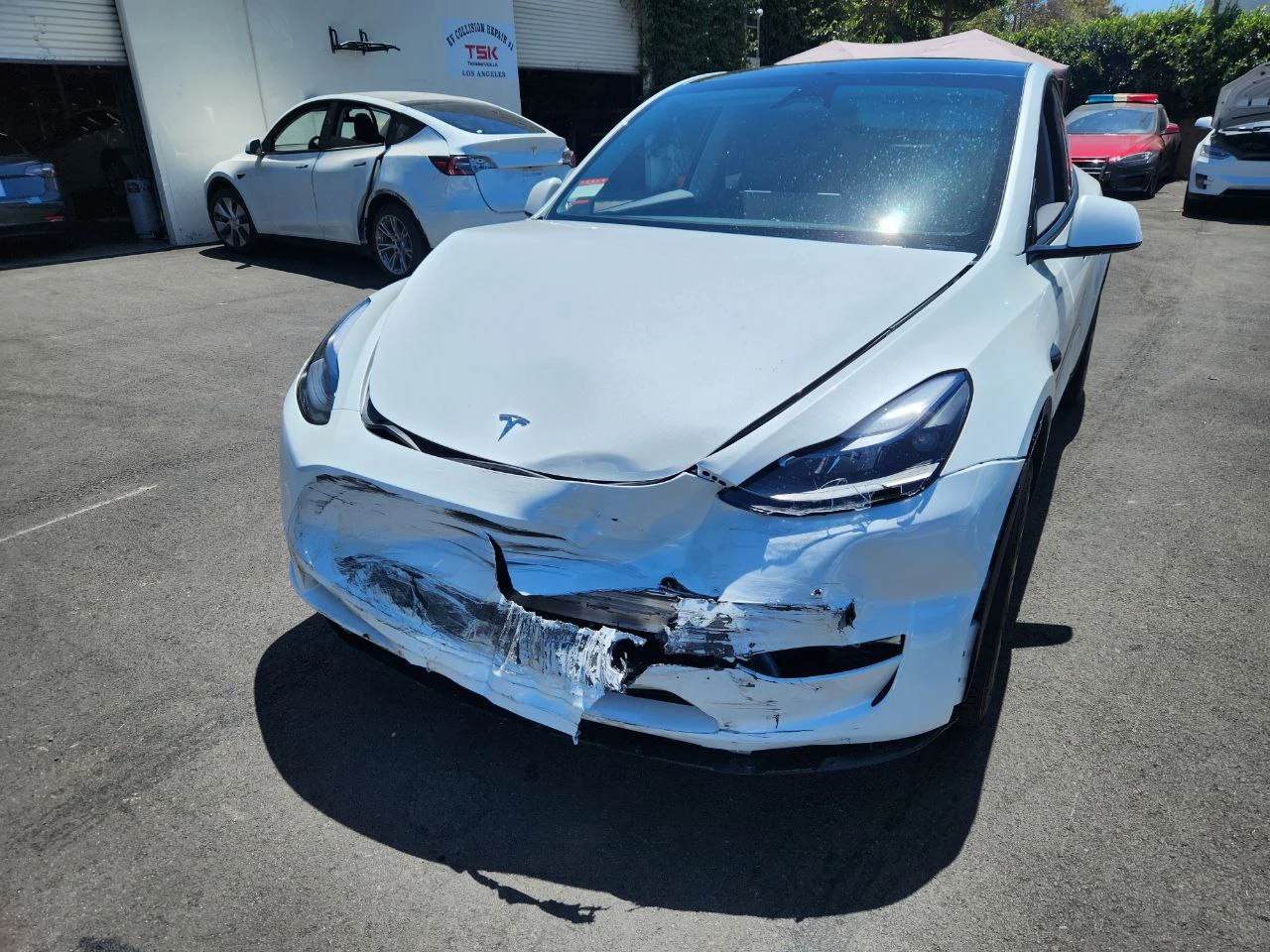
A collision can leave you with a damaged vehicle, questions about insurance, and no clear idea what to do next. Start with people’s safety. Then document the accident, contact your insurer, and arrange a proper inspection before authorizing repairs.
If your Tesla is involved in a collision in Orange County, these steps can help you get organized.
1. Check for injuries and get to a safe place
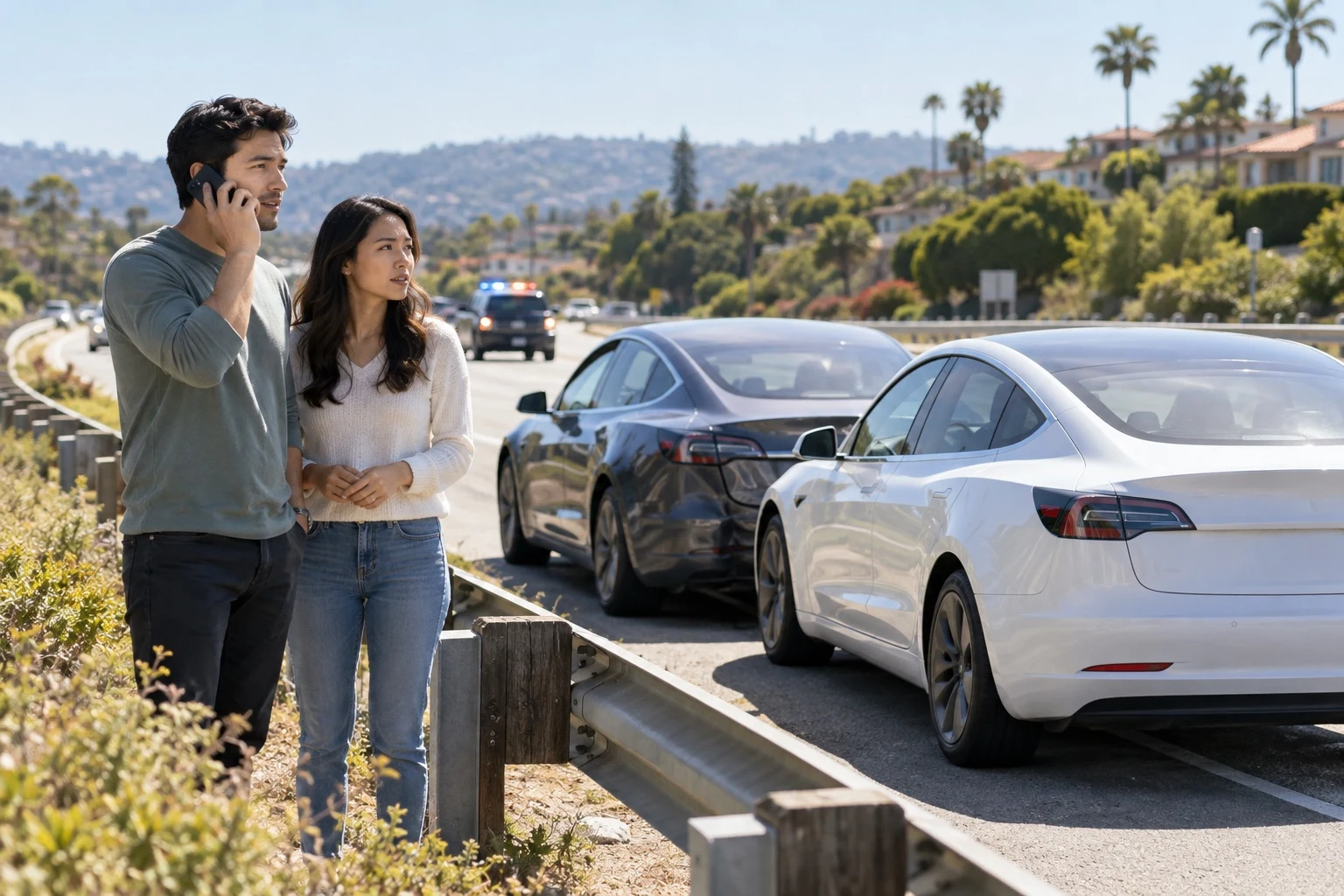
Check yourself and your passengers. Call 911 if anyone may be injured, a vehicle is blocking traffic, or the scene is unsafe. Move away from traffic if you can do so safely, and follow instructions from emergency responders.
2. Document the accident
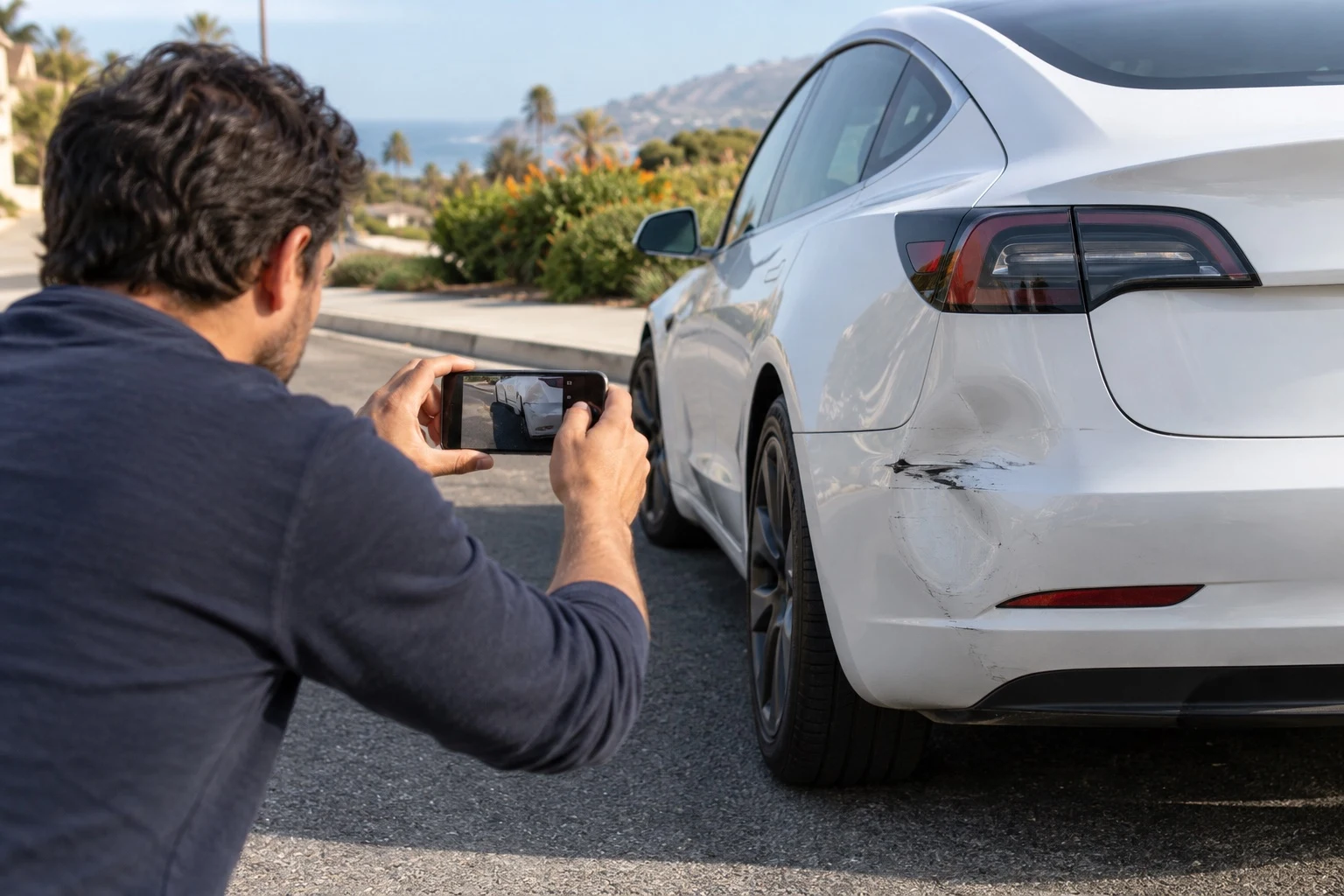
When it is safe, photograph the vehicles, visible damage, license plates, the surrounding area, road conditions, and any debris. Exchange contact and insurance details with the other driver. If there are witnesses, ask for their contact information.
Keep the photos and documents together with your claim number. When describing what happened, stick to what you observed.
3. Take extra care around the high-voltage system
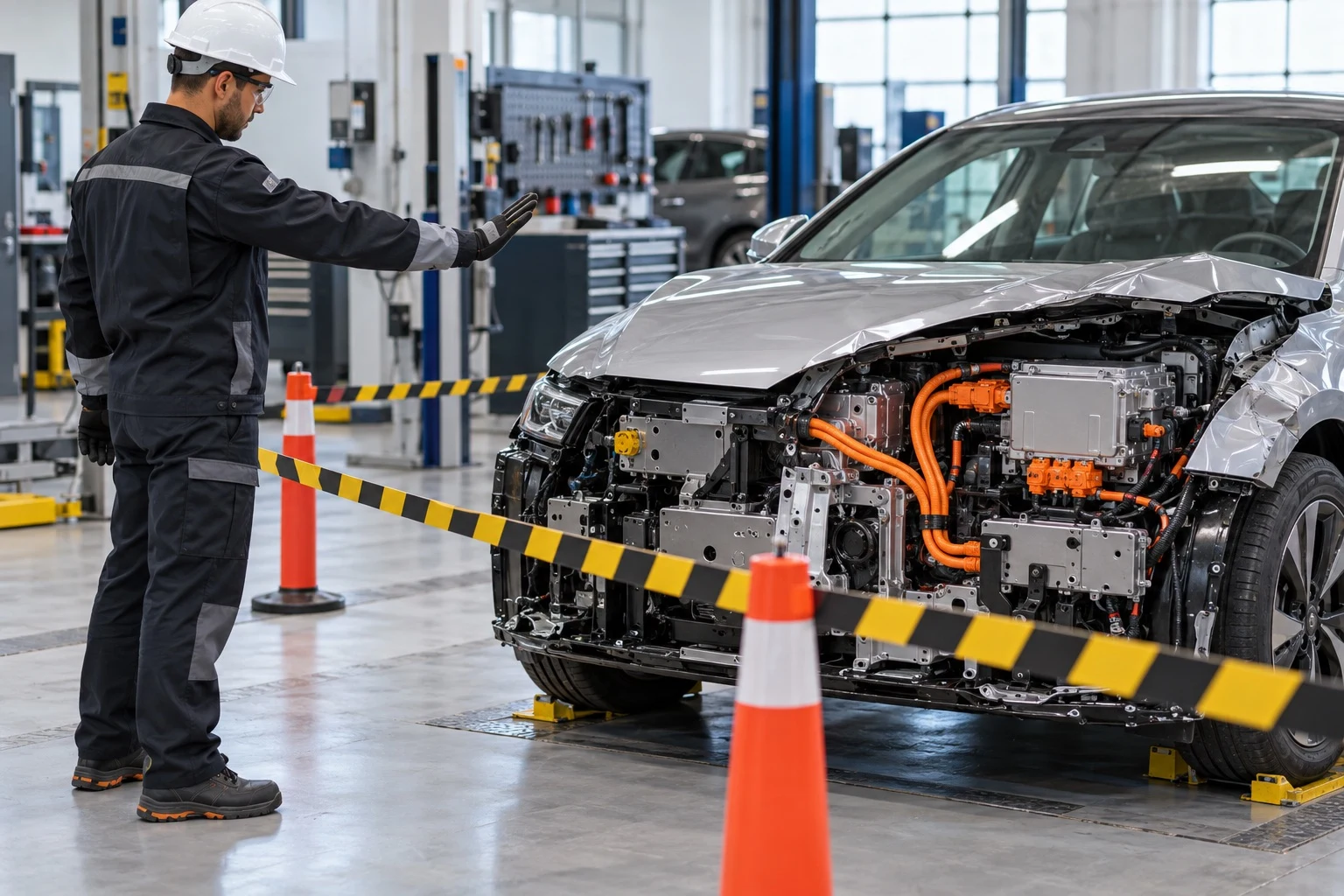
Do not touch orange high-voltage cables, connectors, or components. If you see smoke or fire, move away and call emergency services. Tell responders and the tow operator that the vehicle is an electric vehicle. Do not try to inspect or repair the battery yourself.
4. Contact your insurance company
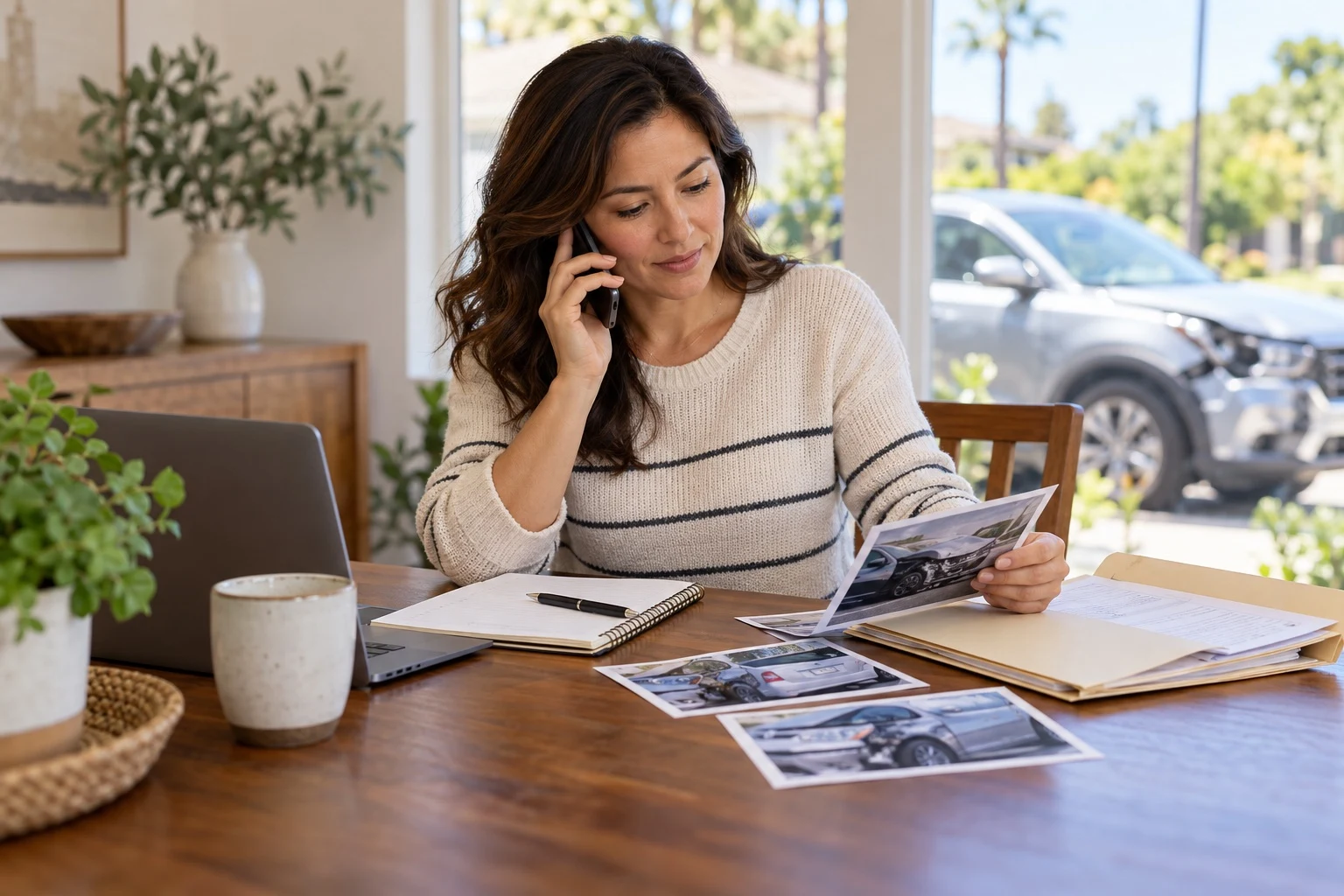
Report the accident to your insurer and ask how to open a claim. Write down the claim number and any next steps. Share your photos and documents, and keep copies of estimates and messages.
In California, an SR-1 report is due to the DMV within 10 days if someone was injured or killed, or property damage exceeded $1,000. This is separate from notifying the police or your insurance company. Check the current filing requirements for your situation.
5. Choose a repair shop that can answer your questions
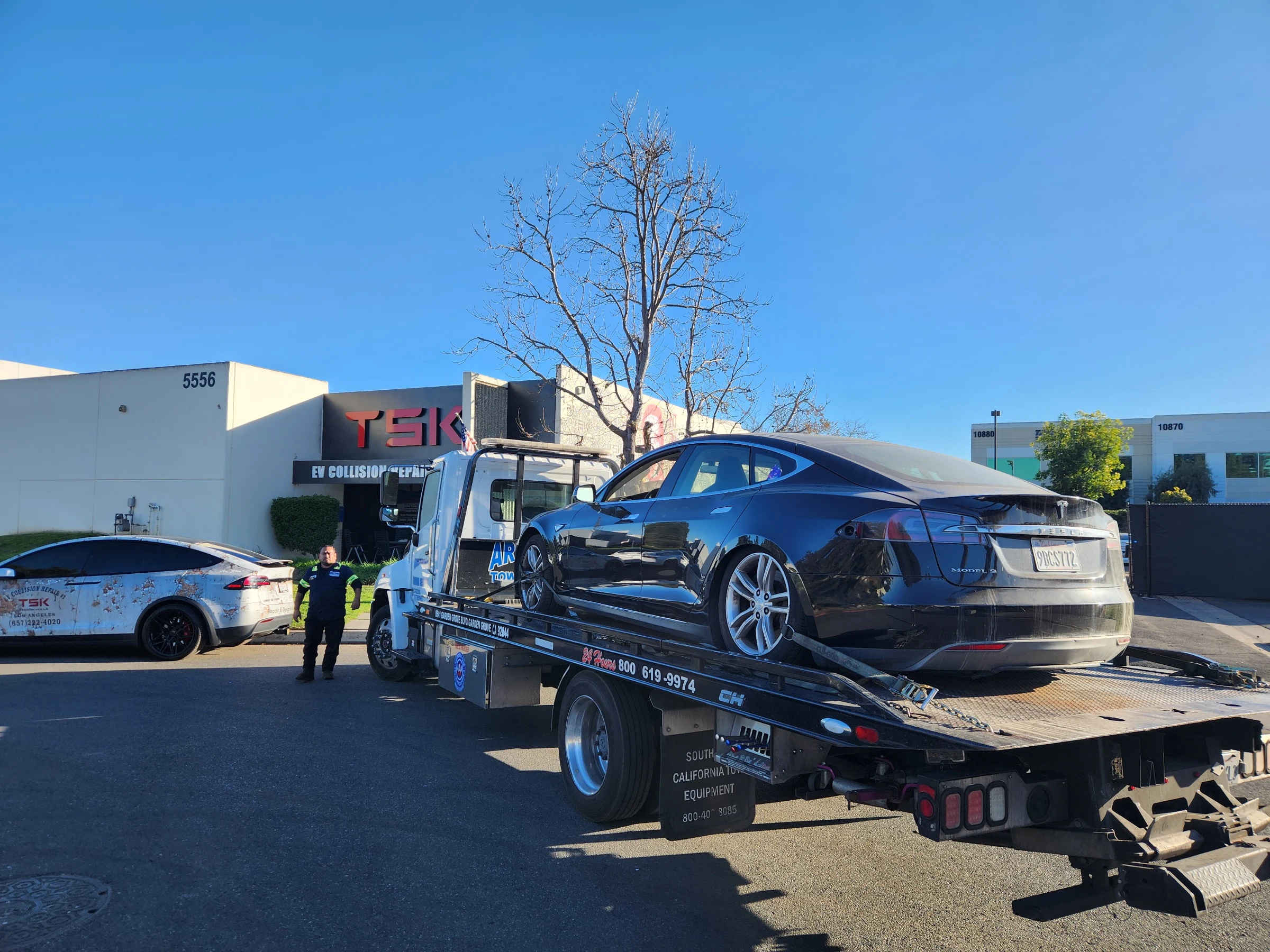
Your insurer may recommend a repair shop. In California, you can choose where to have your vehicle repaired. Ask the shop how it handles EV diagnostics, repair estimates, and communication with your insurer. Make sure you understand the estimate before authorizing work.
6. Get the vehicle inspected for collision damage
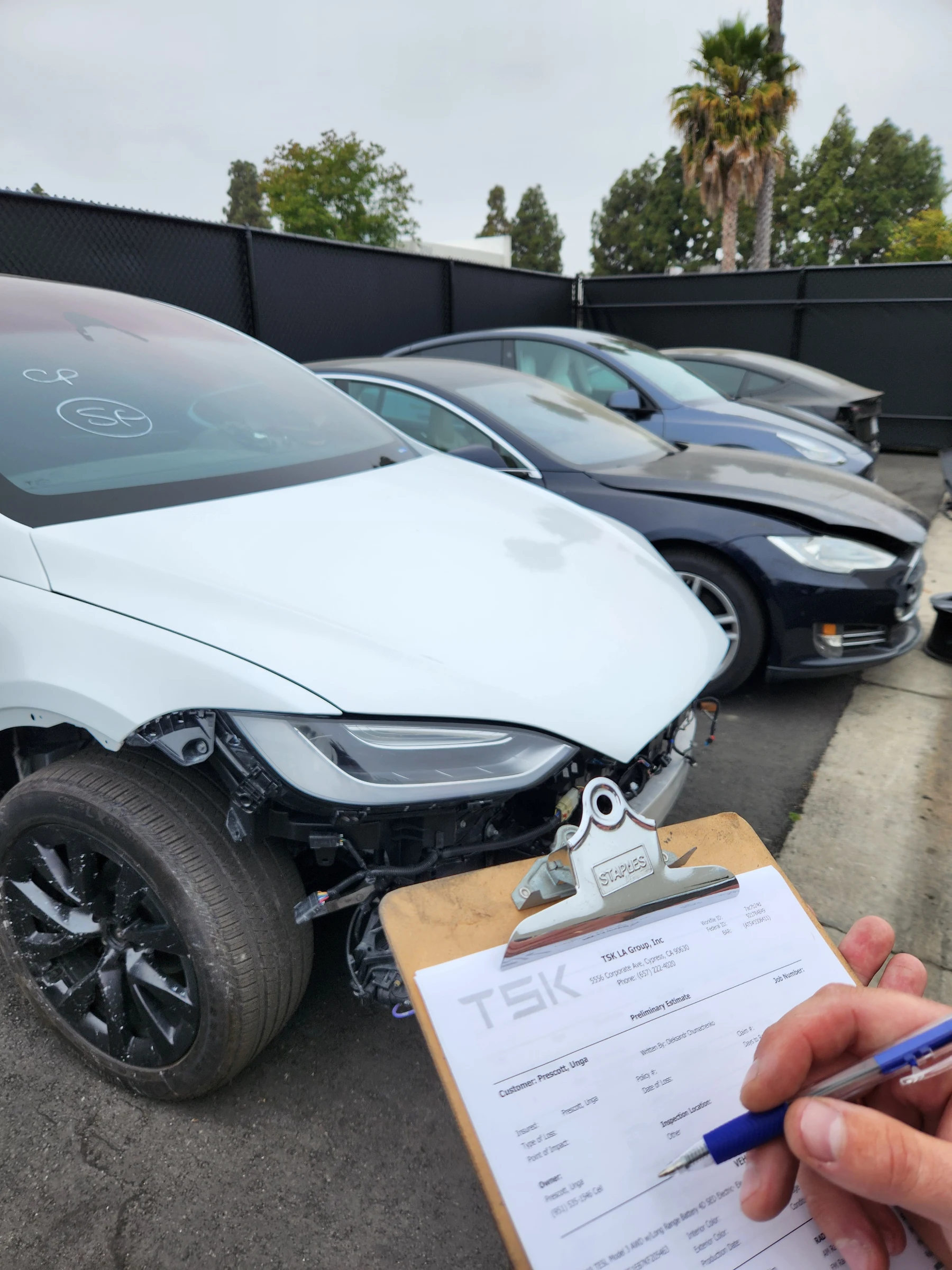
Visible damage may not show the full picture. An inspection can identify what needs further evaluation, including the battery system, suspension, or cameras and sensors when relevant. Ask the shop to explain what it found and what the estimate includes.
7. Review the estimate before repairs begin
Read the written estimate and ask how the shop will handle additional damage discovered during repairs. The shop can document new findings and submit a supplemental estimate to the insurer. Your insurer makes coverage and payment decisions.
Need help after a collision?
TSK EV Collision Repair can review an existing estimate, document repair needs, and coordinate repair-related communication with your insurer. The team serves Cypress and the Irvine/Santa Ana area. Coverage, claim approval, and payment remain decisions for your insurer.